
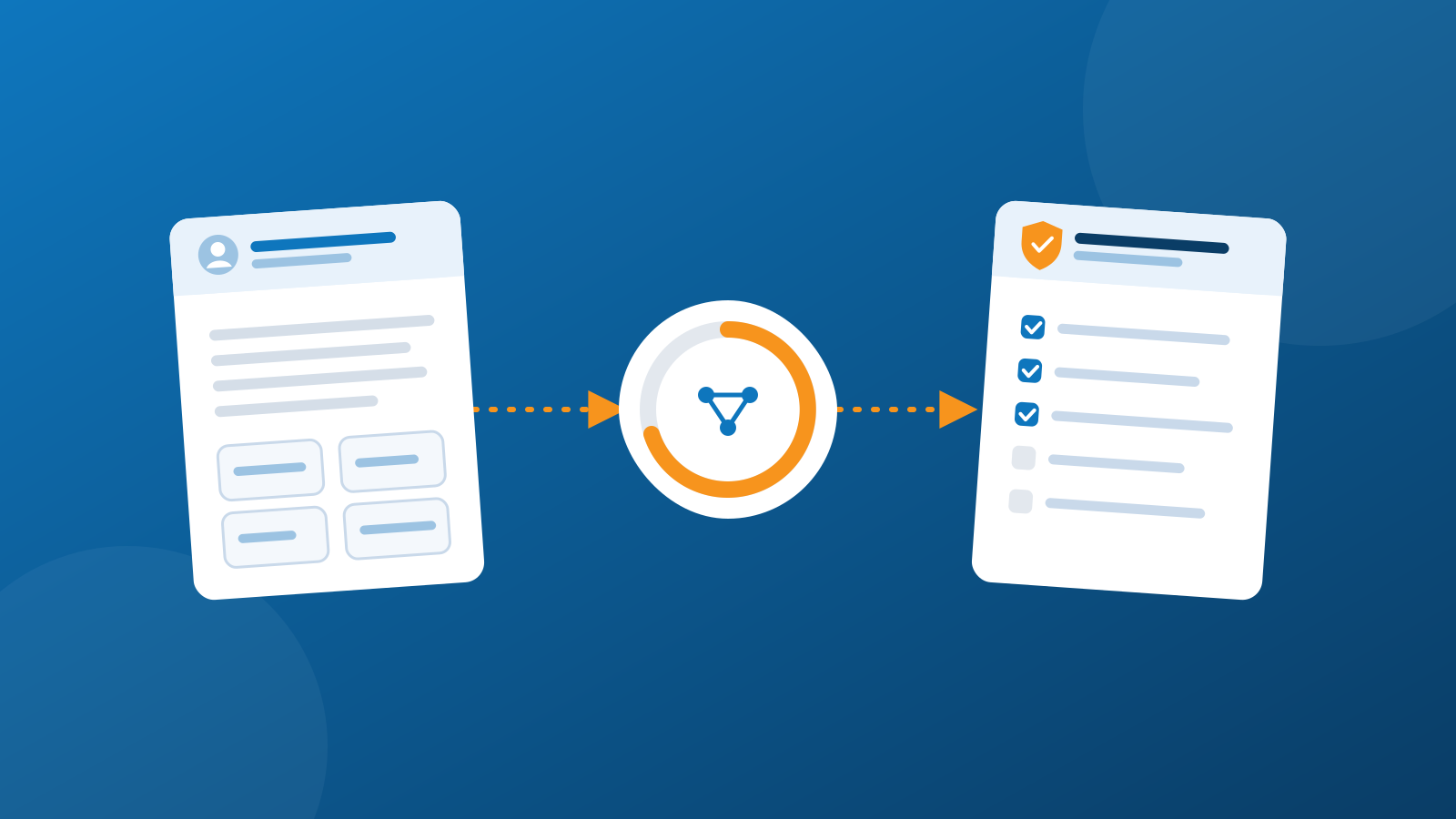
AI screening tools now sort and score job applicants at thousands of companies, often before a person reads a single resume. A pending federal class action asks a question every employer using those tools should care about: if software pulls data about a candidate and hands you a score, is that legally a background check?
If the answer is yes, the Fair Credit Reporting Act (FCRA) applies. That brings disclosure, written authorization, adverse action notices and dispute rights, and much of that responsibility falls on the employer, not just the vendor.
The case: Kistler v. Eightfold AI
In January 2026, two California job seekers sued Eightfold AI, a Santa Clara company whose platform many large employers use to process applications. The case is now in federal court in the Northern District of California (case summary).
The plaintiffs say Eightfold builds a talent profile on each applicant and assigns a 0-to-5 "Match Score" ranking their likelihood of success. According to the complaint:
- The scores draw on more than the application, including public online information, data about similar employees at other companies, and AI-generated inferences about the applicant.
- Employers often review only the top-ranked candidates, so a low score can end an application before a person sees it.
- Applicants are not told a report is being prepared, never see it, and have no way to correct errors.
Both named plaintiffs are experienced product and project managers who applied at companies using Eightfold, including PayPal and Microsoft, and were never interviewed. The employers are not defendants. These are allegations; nothing has been proven.
Why an AI score could be a "consumer report"
The FCRA isn't limited to criminal or credit checks. Any company that assembles or evaluates information about a person and sells reports to others for employment decisions can be a consumer reporting agency. The plaintiffs argue Eightfold fits that description, and that its scores are consumer reports under both the FCRA and California's Investigative Consumer Reporting Agencies Act (Warden AI analysis).
Eightfold disagrees. It says it licenses software that employers run themselves, that the score comes from the applicant's own resume and the employer's job description, and that the 2024 federal guidance the plaintiffs cite was withdrawn in 2025.
There is precedent on the plaintiffs' side. In 2017, recruiting tool TalentBin settled a similar case for $1.15 million after it was accused of compiling public social media data on candidates without following the FCRA. It also had to change its product to comply.
The stakes are real: the FCRA allows $100 to $1,000 per willful violation, plus punitive damages, and the plaintiffs propose a nationwide class.
Where the FCRA would come in
The highlighted step is the one in question: when a tool pulls information beyond what the candidate gave you, it starts to look like a background check.
What it would mean for employers
If AI scores are consumer reports, employers using them would have the same duties they already have for traditional background checks:
- Disclosure. Tell the candidate, in a standalone document, that a report will be obtained.
- Authorization. Get the candidate's written permission before the data is pulled or scored.
- Pre-adverse action notice. If the score contributes to a rejection, give the candidate a copy of the report and a summary of their FCRA rights before the decision is final.
- Adverse action notice. After the decision, send the final notice naming the reporting company and the candidate's right to dispute.
- Dispute rights. Make sure there is a way to challenge inaccurate information, such as a wrong inference about skills or work history.
Most employers using AI screening do none of this today, because they've treated the tool as software rather than a background check. That gap is exactly what plaintiffs' lawyers look for: FCRA class actions over technical violations are already common. For a refresher on the notice steps, see The Pre-Adverse and Adverse Action Process, Explained.
What to do now
You don't need to wait for a ruling to reduce your risk. Start by asking any AI hiring vendor these questions:
- Where does the data come from? If the tool uses anything beyond what the candidate submitted (social media, public web data, data from other employers), treat it as higher risk.
- Can candidates see and dispute their score? If not, you may have no way to meet FCRA dispute requirements.
- Who is responsible for FCRA compliance in the contract? Look for representations, indemnification and a clear statement of whether the vendor considers itself a consumer reporting agency.
- Is a human reviewing rejections? Automatic cutoffs based on a score raise the most risk.
Then check your own process:
- List every tool that scores, ranks or screens candidates.
- Confirm your FCRA disclosure and authorization forms are standalone and current.
- Make sure your adverse action process covers any report that influences a decision.
- Talk to employment counsel about whether your AI tools are in scope.
Where the case stands
Eightfold's motion to dismiss has been fully briefed since July 2026. The court cancelled the August hearing, which usually means the judge will decide on the written briefs. As of early November, no ruling has been reported (case tracker). When it comes, it will likely be one of the first court decisions on whether an AI hiring tool can be a consumer reporting agency.
The bottom line
Whatever the court decides, the line between "hiring software" and "background check" is now being tested. The FCRA's rules on transparency, consent and the right to dispute have applied to background screening for decades, and they may soon reach the AI tools many employers use without a second thought.
At Safer Places, FCRA compliance is built into everything we do, from disclosure and authorization to adverse action and disputes. If you have questions about your screening process or the tools in it, contact us or call (508) 947-0600.
This article is for general information only and isn't legal advice. Employment screening laws vary by state and city and change over time, so consult an employment attorney about your specific situation.