
If a background check makes you hesitate to hire someone, federal law requires two notices before the decision is final: a pre-adverse action notice, then an adverse action notice. Skip a step and you can face a lawsuit, even if your reason for passing on the candidate was sound.
The process exists for a simple reason. While rare, background reports are sometimes wrong: a record that belongs to someone with the same name, an old charge that was dismissed or expunged, a typo in a date of birth. The two-notice process gives the candidate a chance to see the report and fix mistakes before they lose the job.
This guide walks through each step, a visual overview, and the mistakes we see most often.
What counts as adverse action?
Adverse action is any employment decision that hurts the candidate or employee and is based, even partly, on a background check report. Under the federal Fair Credit Reporting Act (FCRA), that includes:
- Rejecting a job applicant
- Withdrawing a conditional job offer
- Firing or reassigning a current employee
- Denying a promotion
The key words are "in whole or in part." If the report was one of several reasons for your decision, the process still applies. The rules cover any background report you get from a third-party screening company, not just credit reports: criminal records, driving records, and employment or education verifications all count.
Step 1: Send the pre-adverse action notice
Before you make the decision final, send the candidate a pre-adverse action notice. It tells them you are considering an adverse decision based on their report. Per the FTC's employer guidance, the notice must include:
- A copy of the background report you relied on
- A copy of A Summary of Your Rights Under the Fair Credit Reporting Act, the standard federal form your screening company should supply
You don't have to give a final reason in this letter, but it helps to point out the item in the report that concerns you. That makes it easier for the candidate to respond. Check your state and local laws, however, as they may differ from federal law here.
Tip: Send it in a way you can document, such as email with a timestamp or certified mail. If you're ever challenged, you'll need proof of when it went out.
Step 2: Wait and give the candidate a chance to respond
The point of the pre-adverse notice is to let the candidate review the report and tell you if something is wrong. So you have to actually wait before deciding.
The FCRA doesn't set a specific number of days. Most employers and screening companies use at least five business days as a reasonable minimum, and some states or cities require longer. Check your local rules before you set a policy.
During this window:
- Keep the position open if you can, or at least don't finalize the decision
- If the candidate disputes something, take it seriously. They may contact the screening company directly to correct the record.
- Consider what they tell you. A dismissed charge, a mistaken identity, or context about an old offense may change your decision.
Step 3: Send the adverse action notice
If you still decide not to move forward, send a final adverse action notice. The FCRA allows it to be given orally, in writing, or electronically, but a written notice is far easier to prove later. The notice must include:
- The name, address, and phone number of the background screening company that supplied the report
- A statement that the screening company did not make the decision and can't explain the specific reasons for it
- Notice of the candidate's right to dispute the accuracy or completeness of the report with the screening company
- Notice of their right to a free copy of the report from the screening company if they ask within 60 days
Keep a copy of both notices with the candidate's file, along with the dates they were sent.
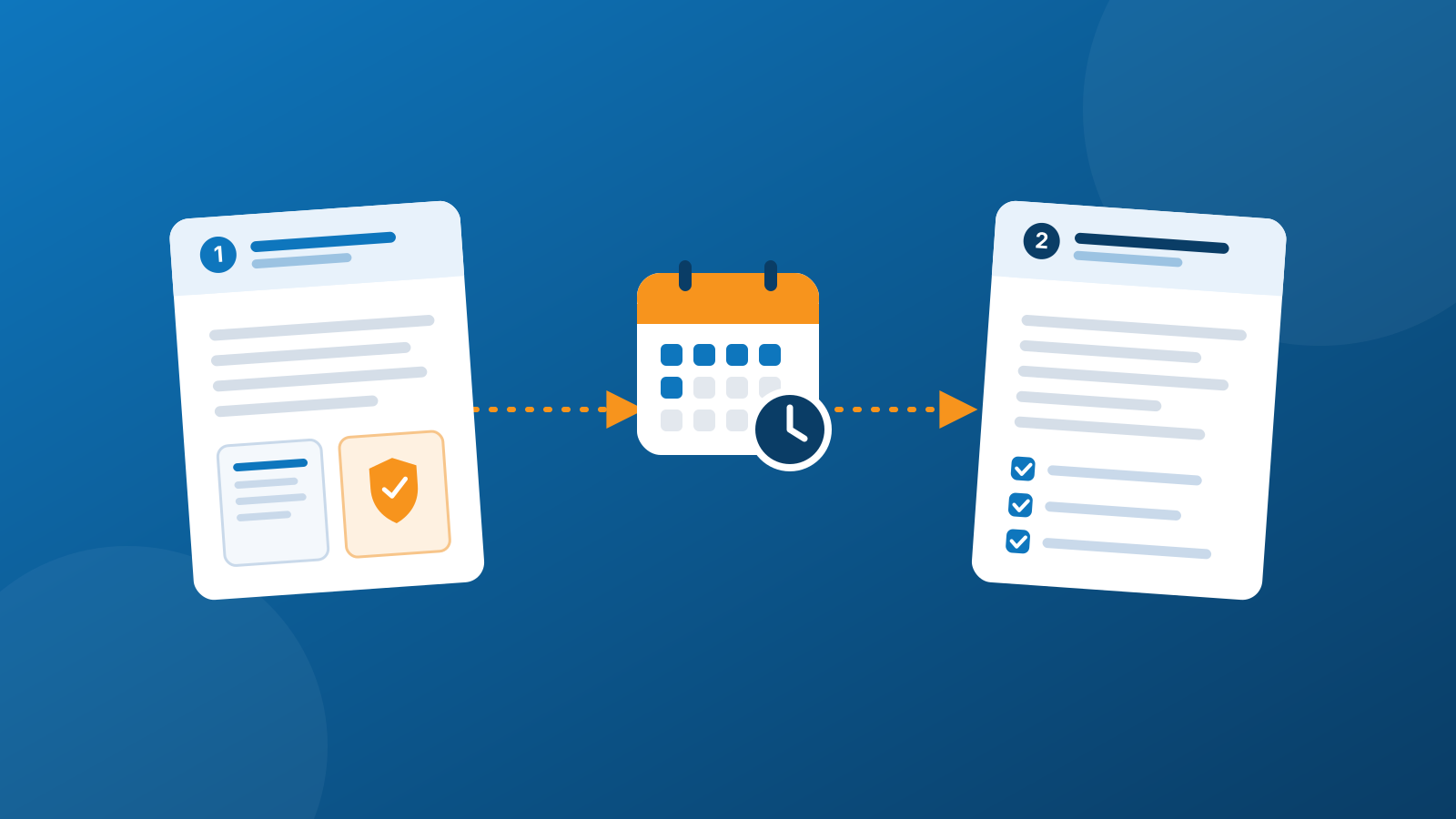
The process at a glance
If the candidate's response clears up the concern, you simply move forward. If not, the adverse action notice closes the process.
Common mistakes to avoid
- Sending both notices at once. The pre-adverse and adverse action notices must be separate, with real time in between.
- Leaving out the report or Summary of Rights. The pre-adverse notice is incomplete without both.
- Deciding before the waiting period ends. If you've already filled the job, the candidate's chance to respond is meaningless.
- Skipping the process for "minor" reasons. It applies if the report played any part in the decision.
- Forgetting current employees. Promotions, reassignments, and terminations based on a report need the same steps.
- Poor recordkeeping. Keep copies and dates of every notice, and securely dispose of reports when you no longer need them.
- Ignoring state law. Many states and cities add their own notice and timing rules.
Frequently asked questions
Do I need a pre-adverse action notice if my decision has nothing to do with the report?
No. The process applies only when the background report plays a part in the decision. Document your actual reasons either way.
How long should I wait between the two notices?
The FCRA doesn't name a number. Five business days is a widely used minimum, but check your state and local laws, which may require more.
Can I send the notices by email?
Yes. Electronic delivery is allowed, as long as the candidate gets the required documents and you can prove when they were sent.
Does this apply to current employees?
Yes. Terminations, reassignments, and denied promotions based on a background report follow the same process.
Can my background check company send the notices for me?
Many screening companies, including ours, can handle adverse action notices. You still make the hiring decision, but the paperwork and timing are handled consistently.
What happens if I skip a step?
Candidates can sue employers in federal court for FCRA violations, and class actions over notice mistakes are common. A compliant process is far cheaper than a lawsuit.
Make adverse action simple
The pre-adverse and adverse action process protects candidates from inaccurate reports and protects you from costly FCRA claims. The steps are simple, but they have to happen in the right order, with the right documents, and with real time in between.
Safer Places can help you set up a compliant screening process. Contact us to learn more.
This article is for general information only and isn't legal advice. Employment screening laws vary by state and city and change over time, so consult an employment attorney about your specific situation.